Your transparent clay PNG assets




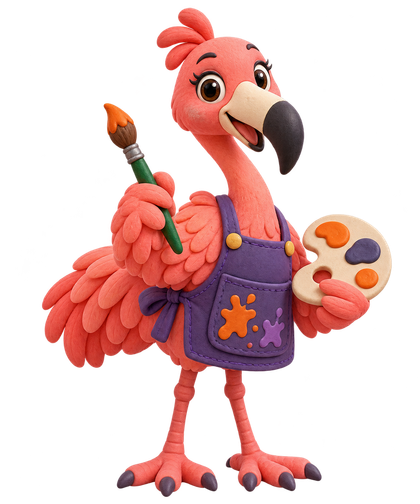

The complete pack contains the subject buddies, icons, eleven badges and collectibles used in Desoko.
Download the PNG asset packGoogle and email sign-in use your Firebase web configuration. Parent-owned learner progress is saved to the hosted app database, with separate device practice and an explicit option to import it. Gemini replies use the hosted server connection.
thetrading.site and desoko.sokovictor39.chatgpt.site. Both domains were confirmed by the Firebase project API.The public Firebase web configuration is already installed site-wide. No configuration paste or private service-account key is needed.
Each parent account has one learner profile. The parent corner supports nickname, grade, language, daily goal, avatar and preferences, plus parent account name, verified email change and password change.
Signed-in activity completions sync when the connection is available. Account caches stay separate on a shared browser. Guest learning is imported only when a parent chooses Import device learning. Imported XP stays private and never counts toward weekly boards.
The app database is hosted with Desoko. You do not need Firestore for this version. Cloud learning can be removed in the parent corner after a recent sign-in; this removes its board entry while keeping the Firebase sign-in account.
A parent opts in from account settings. The grade board shows generated animal aliases, an avatar and verified weekly XP. It never displays a learner nickname, parent name, email or account identifier. Learners cannot message one another.
Scores are based on answers checked by the server, with at most eight rewarded activities per South African day. Boards use weeks beginning Monday. These are friendly practice scores, not school assessments.
A grown-up enables Gemini learning replies under Celebrations & learning chat. Messages then go to Google Gemini for short educational responses in the selected language. Avoid personal details; AI responses can make mistakes.
The Gemini key stays in hosted environment variables and is absent from browser code. Site owners manage GEMINI_API_KEY and GEMINI_MODEL in hosting settings. Provider errors are shown clearly and prepared practice replies are labelled.
Grade R–3 each has 40 weeks, four app-paced terms and 200 year activities, alongside the 24 starter activities. Five weekly lanes cover language, maths, life skills, creative arts and discovery review, with practical activities for grown-ups to guide away from the screen.
English, Afrikaans, isiZulu, isiXhosa, Sepedi, Sesotho, Setswana, siSwati, Tshivenda, XiTsonga and isiNdebele are available. Translations and language progression are drafts for native-speaking educator review. South African Sign Language needs signed videos and specialist teaching; it is planned.
This original supplementary practice programme is informed by Foundation Phase CAPS subject areas. It does not replace a school’s current teaching plan, classroom teaching or formal assessment. Teacher guidance is in English, and any English-only language questions are marked.
Correct answers trigger confetti and a short chime. Finished activities return to the home playground automatically. Grown-ups can turn sound or motion off, and reduced-motion device settings are respected. Reading aloud depends on voices installed on the device.
The “sokool” wipe runs during page changes and successful sign-in. Subject buddies, term badges and 3D buttons keep the interface playful.
The complete pack contains the subject buddies, icons, eleven badges and collectibles used in Desoko.
Download the PNG asset pack